
How to Contact Your Student Loan Servicer Effectively


Your federal student loan servicer is the company assigned by the U.S. Department of Education to manage your loan account, handle billing, and process repayment requests. Knowing how to contact your student loan servicer correctly is the difference between resolving an issue in one call and spending weeks going in circles. This guide walks you through finding your servicer, choosing the right contact method, preparing for the conversation, and escalating when things stall. Major servicers like Aidvantage, MOHELA, and Nelnet each have their own portals and phone lines, and using the right channel at the right time saves you real time and stress.
How to contact your student loan servicer: finding who manages your loans
Before you can reach your servicer, you need to confirm who they are. Misidentifying your servicer is one of the most common reasons borrowers waste time calling the wrong number or submitting requests that go nowhere.
The fastest and most reliable way to identify your servicer is through your StudentAid.gov account. Log in with your FSA ID, go to the “My Aid” section, and your current servicer’s name and contact information will appear alongside your loan details. This takes about two minutes and gives you verified information straight from the source.

If you cannot access your StudentAid.gov account or your FSA ID is not working, call the Federal Student Aid Information Center at 1-800-433-3243. This is the official help line verified by the U.S. Department of Education. Have your Social Security number and date of birth ready before you call, as the representative will need to verify your identity before sharing account details.
A few things to watch for when identifying your servicer:
Verify the servicer name on StudentAid.gov before calling any number you find through a web search. Scam calls pretending to be servicers have increased, and verifying through official portals is the only safe way to confirm who actually holds your account.
Do not trust unsolicited calls or emails claiming to be from your servicer. Legitimate servicers do not ask for your FSA ID password or full Social Security number over the phone.
Check for recent servicer transfers. The Department of Education has moved millions of accounts between servicers in recent years. Your servicer from two years ago may not be your servicer today.
You can also learn more about the major loan servicers and how the industry is structured before making your first call.
What are the best ways to reach your student loan servicer?
Federal student loan servicers are the primary contacts for billing, repayment, and customer service on your federal loans. Each servicer offers multiple contact channels, and the right one depends on what you need and how quickly you need it.
Phone calls: best for complex or urgent issues
Phone is the most direct route when you have a complicated question, such as switching repayment plans, requesting a deferment, or disputing a payment error. The downside is wait times. Calling around 8 a.m. on weekdays significantly improves your chances of reaching a live agent without a long hold. This tip comes from Mark Kantrowitz, a widely cited student loan expert, and it holds up in practice. Avoid calling on Mondays or the day after a federal holiday, when call volumes spike.
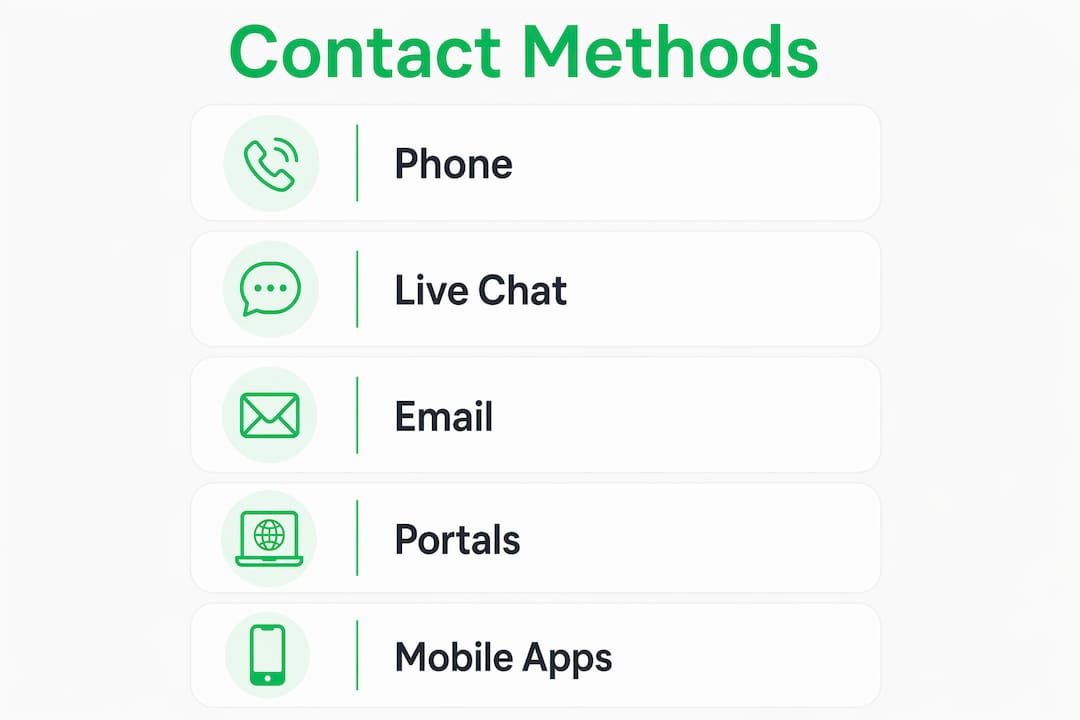
Live chat: a faster alternative for straightforward questions
The Federal Student Aid website offers a live chat option that can reduce wait times compared to phone calls. Betsy Mayotte, president of the Institute of Student Loan Advisors, recommends chat for questions that do not require document submission. Most individual servicers, including MOHELA and Nelnet, also offer chat through their own websites. Chat creates a written record automatically, which is useful if you need to reference the conversation later.
Email and online contact forms: best for documentation
Email and contact forms are slower but give you a paper trail. Use them when you need to submit a formal request, dispute a charge, or follow up on a previous conversation. Response times vary by servicer, typically ranging from two to five business days. Always save the confirmation number or email receipt.
Servicer portals and mobile apps
Every major servicer has an online account portal where you can make payments, update your contact information, and submit requests without calling at all. Keeping your contact information current with your servicer prevents missed communications and late fees. Aidvantage, MOHELA, and Nelnet all have mobile apps that let you manage your account from your phone.
Pro Tip: When hold times are long, switching to email or chat can get you assistance faster. Save your chat transcripts and email confirmations in a dedicated folder so you have a complete record of every interaction.
What to have ready before you call or write
Preparation is what separates a five-minute call from a forty-minute one. Borrowers who document details from calls, including agent names and reference numbers, resolve issues faster and have stronger footing if they need to escalate.
Here is what to gather before contacting your servicer:
Your account number. Find this on your servicer’s website or in a previous billing statement.
Your Social Security number and date of birth. Required for identity verification on any call.
Recent payment history. Pull this from your servicer’s portal before you call so you can reference specific dates and amounts.
Loan details. Know your loan type (Direct Subsidized, Direct Unsubsidized, PLUS, etc.), your current repayment plan, and your outstanding balance.
A written list of your questions. Write them down before the call. It is easy to forget something once you are on hold and finally reach an agent.
A notepad or open document for notes. Record the agent’s name, the date and time of the call, and any reference or confirmation numbers they provide.
Pro Tip: Ask the agent at the start of the call for their employee ID or name and the call reference number. This small step makes any future escalation significantly easier.
Supporting documents you may need to have on hand include your most recent tax return (for income-driven repayment applications), proof of employment (for Public Service Loan Forgiveness), and any previous correspondence with your servicer. Avoiding common communication mistakes during these calls protects your account and your record.
What to do if you can’t reach your servicer or get no resolution
Sometimes you call, wait on hold, and still do not get a clear answer. That is frustrating, but there are structured steps you can take to move things forward.
Document every contact attempt. Write down the date, time, method (phone, email, chat), and the outcome of each attempt. This log becomes your evidence if you need to escalate.
Try multiple channels in parallel. If phone calls are not working, send an email or submit a contact form at the same time. Documenting all contact attempts and escalating through multiple channels is the recommended approach when a servicer is unresponsive.
Request your customer service records. Loan servicers can provide copies of your service history upon request. These records are valuable for disputes and can clarify what was said or agreed to in previous conversations.
Contact the Federal Student Aid Information Center. If your servicer is not resolving your issue, call 1-800-433-3243. The center can intervene or direct you to the right escalation path.
File a formal complaint. The Consumer Financial Protection Bureau (CFPB) accepts complaints about student loan servicers at consumerfinance.gov/complaint. The Department of Education’s Federal Student Aid Ombudsman is another option for unresolved disputes.
Ask to speak with a supervisor. If a front-line agent cannot help, ask calmly and directly to be transferred to a manager or supervisor. Have your reference numbers ready before making this request.
If you have experienced ongoing issues with a specific servicer, understanding the history of servicer accountability can help you frame your complaint more effectively and know what to expect from the escalation process.
Choosing the right route matters. Use the Federal Student Aid Information Center for identification and account-level issues, and go directly to your servicer for repayment plan changes, payment disputes, and program applications. This distinction alone can cut your resolution time significantly.
Key takeaways
Contacting your student loan servicer effectively requires verifying your servicer through StudentAid.gov, choosing the right communication channel for your situation, and keeping detailed records of every interaction.
Point | Details |
Verify your servicer first | Log in to StudentAid.gov or call 1-800-433-3243 before contacting anyone. |
Match the channel to your need | Use phone for complex issues, chat or email for documentation and simpler questions. |
Prepare before every contact | Have your account number, loan details, and written questions ready before calling. |
Record every interaction | Note agent names, reference numbers, and dates to support any future escalation. |
Escalate through official channels | Use the CFPB or Federal Student Aid Ombudsman when your servicer does not respond. |
What I’ve learned from watching borrowers struggle with servicer calls
After working with federal student loan borrowers for years, the pattern I see most often is not confusion about repayment plans or forgiveness eligibility. It is borrowers who called their servicer, got incomplete information, and then had no record of the conversation to fall back on. That one gap causes more downstream problems than almost anything else.
The second most common issue is calling the wrong entity entirely. A borrower with a MOHELA account calls Aidvantage because they saw the name somewhere, gets told they have no account on file, and assumes something is wrong with their loans. Nothing is wrong. They just called the wrong company. This is why verifying on StudentAid.gov before picking up the phone is not optional advice. It is the starting point.
I also want to be honest about wait times. They are real, and they are not going away. Calling at 8 a.m. helps, but some servicers are genuinely understaffed during high-volume periods like repayment restart windows. When that happens, email and chat are not second-best options. They are often faster and always better documented. I have seen borrowers resolve disputes in three days via email that had been stuck on hold for weeks.
The borrowers who get the best outcomes are not the ones who call the most. They are the ones who call prepared, write things down, and follow up in writing when something is promised verbally. That habit is worth building from your very first contact.
— Ellis
How TitanPrep helps you stay organized and on track
Managing servicer communications is easier when your documents, deadlines, and records are in one place. TitanPrep helps federal student loan borrowers organize and submit paperwork for programs like Income-Driven Repayment, Public Service Loan Forgiveness, and borrower discharge options. The client portal lets you upload documents, track submission status, and store records of your servicer communications securely.
If you are unsure where to start, the federal forgiveness program guide covers the top ten federal student loan forgiveness options and what each one requires. For the latest changes affecting servicer contacts and repayment programs, check TitanPrep’s student loan updates page. TitanPrep is not affiliated with the U.S. Department of Education or any loan servicer, but the service is built to help you stay organized and avoid missed deadlines.
FAQ
How do I find my student loan servicer phone number?
Log in to StudentAid.gov with your FSA ID and go to the “My Aid” section. Your servicer’s name and phone number appear there. You can also call the Federal Student Aid Information Center at 1-800-433-3243 for help.
What is the best time to call my student loan servicer?
Calling around 8 a.m. on weekdays gives you the best chance of reaching a live agent quickly, according to student loan expert Mark Kantrowitz. Avoid Mondays and days following federal holidays when call volumes are highest.
Can I email my student loan servicer instead of calling?
Yes. Most servicers accept email or online contact form submissions through their account portals. Email is slower than phone but creates a written record, which is useful for disputes or formal requests.
What should I do if my servicer does not respond?
Document all contact attempts with dates and methods, then escalate by calling the Federal Student Aid Information Center at 1-800-433-3243 or filing a complaint with the Consumer Financial Protection Bureau at consumerfinance.gov/complaint.
How do I know if a call claiming to be from my servicer is legitimate?
Verify any unsolicited contact by logging in to your StudentAid.gov account directly. Legitimate servicers do not ask for your FSA ID password or full Social Security number over the phone. Scam calls impersonating servicers have increased, so always confirm through official portals before sharing personal information.
Recommended
Comments